
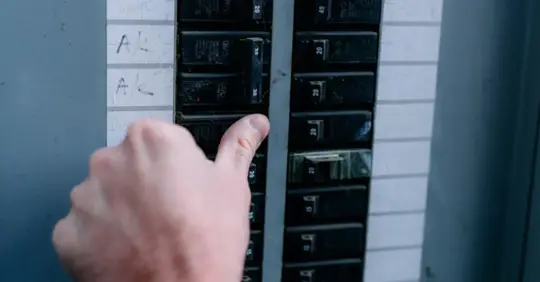
Few things are more frustrating than losing power mid-dinner, mid-shower, or mid-TV-show because a breaker tripped. While it’s a common household issue, frequent breaker trips can also signal deeper electrical problems that need attention. Understanding what causes these interruptions—and how to prevent them—can help protect your home, your devices, and your peace of mind.
At Coastal Comfort Electric, we help Wilmington-area homeowners maintain safe, reliable electrical systems. Here’s what you should know to keep your circuits running smoothly and avoid unnecessary disruptions.
Understanding Circuit Breakers
Circuit breakers are designed to protect your home from electrical overloads and potential fires. When too much current flows through a circuit, the breaker “trips” to cut off power, preventing overheating or damage. While this safety mechanism is essential, frequent tripping is a sign that your system might need some attention.
Common Causes of Tripped Circuit Breakers
1. Circuit Overloading:
One of the most common culprits is circuit overloading—when multiple high-energy devices draw power from the same line. For example, running your microwave, toaster, and coffee maker on the same kitchen circuit can easily exceed capacity.
To prevent this, try to spread out your appliances across different circuits or unplug items that aren’t in use. Small adjustments can make a big difference in keeping your system balanced.
2. Short Circuits:
Short circuits occur when electrical currents take an unintended shortcut through faulty wiring or damaged insulation. These cause a sudden surge in current, triggering your breaker to trip. You might notice this happening repeatedly after plugging in a certain appliance—an indicator that something’s wrong.
If this occurs, unplug the device immediately and have an electrician inspect the outlet and wiring. Short circuits can pose serious fire risks if ignored.
Spotting the Warning Signs
Frequent breaker trips aren’t something to shrug off. They may point to underlying issues such as faulty wiring or outdated electrical components. Keep track of which appliances seem to trigger trips—it can help your electrician pinpoint the source more quickly.
Also look out for visual cues:
- Burn marks or discoloration around outlets or the breaker panel
- A burning smell or sizzling sounds
- Warm outlets or switches
If you notice any of these warning signs, shut off power to the affected area and call a professional right away.
Preventive Steps for a Safer Home
Manage Your Electrical Load:
Every circuit in your home has a load limit. Distributing appliances evenly across circuits—especially high-power ones like dryers, refrigerators, and space heaters—helps prevent overloads.
You can also:
- Unplug small devices when they’re not in use
- Stagger the use of large appliances
- Use surge protectors to safeguard electronics
These habits not only reduce tripping but also improve the longevity of your electrical system.
Schedule Regular Inspections:
Even if your system seems fine, routine inspections by a licensed electrician can uncover early signs of wear and tear. Annual maintenance ensures your wiring, breakers, and panels are all up to modern standards and capable of handling your home’s electrical needs.
Consider an Electrical Upgrade:
If your home is older or you’ve added new appliances or rooms, your electrical panel might be struggling to keep up. Upgrading your system—or adding AFCI and GFCI protection—can significantly boost safety and efficiency. These modern technologies detect faults before they become dangerous, offering added protection against fires and shocks.
Addressing Specific Issues
How to Troubleshoot Short Circuits:
If a breaker keeps tripping, start by turning off and unplugging everything on that circuit. Reset the breaker and reconnect one device at a time to identify the cause. If it trips again immediately, call a professional—it may be a wiring issue inside the wall.
Using tools like multimeters or outlet testers can help identify problems, but leave complex troubleshooting to trained electricians.
Preventing Ground Faults
Ground faults often happen when electricity escapes its intended path—typically in damp areas like bathrooms or outdoor spaces. Installing GFCI outlets in these zones helps shut off power instantly when a fault is detected.
Also make sure outlets and cords are properly sealed and insulated, especially in humid Wilmington environments where moisture can build up.
When to Call an Electrician
Some electrical problems are not DIY-friendly. If you experience repeated tripping, notice scorch marks, or suspect faulty wiring, it’s best to call a professional. Electricians can test your system, make safe repairs, and ensure your home meets local electrical codes.
At Coastal Comfort Electric, we’re committed to providing safe, efficient, and up-to-date electrical services throughout the Wilmington, NC area. Our licensed team can diagnose recurring issues, upgrade outdated panels, and keep your system running at peak performance.
Modern and Smart Solutions
Smart Circuit Breakers and Monitoring:
Technology now allows homeowners to monitor electricity usage in real time. Smart breakers can alert you to potential overloads, giving you the chance to adjust before a trip occurs. Many systems even connect to mobile apps so you can track usage from anywhere.
Stay Informed and Safe:
Learning about basic electrical safety helps you make smarter decisions about your home’s energy use. Whether through workshops, online resources, or guidance from professionals, staying informed empowers you to spot problems early and maintain a safe living environment.
Final Thoughts
Preventing tripped breakers starts with understanding your home’s electrical limits, maintaining your system, and recognizing when it’s time for professional help. With proper care—and the right electrical partner—you can enjoy steady, safe power for years to come. At Coastal Comfort Electric, our team combines expert craftsmanship with personalized care to keep your home’s circuit breaker and larger electrical panel running smoothly and safely.
Call Coastal Comfort Electric now to get started or send us a message online.