Planning a standby generator usually starts with one practical question: what will it cost? According to Generac’s current installation guide, home standby installations average $8,000 to $16,000, including the generator itself. That national range gives Wilmington-area homeowners a useful place to begin, but the price for Coastal Comfort Electric’s generator installation service depends on the power needs and actual conditions at your home.
The range is planning context, not a Coastal Comfort Electric quote. The price displayed for a generator is not the same as the final generator installation cost. A complete standby power system may also require transfer equipment, electrical modifications, a prepared equipment location, fuel coordination, permits, testing, and other job-specific work.
This guide explains what changes the cost, what should appear in a quote, and how Wilmington and Leland homeowners can compare options without relying on a misleading one-size-fits-all price.
What Is Included In Whole House Generator Cost?
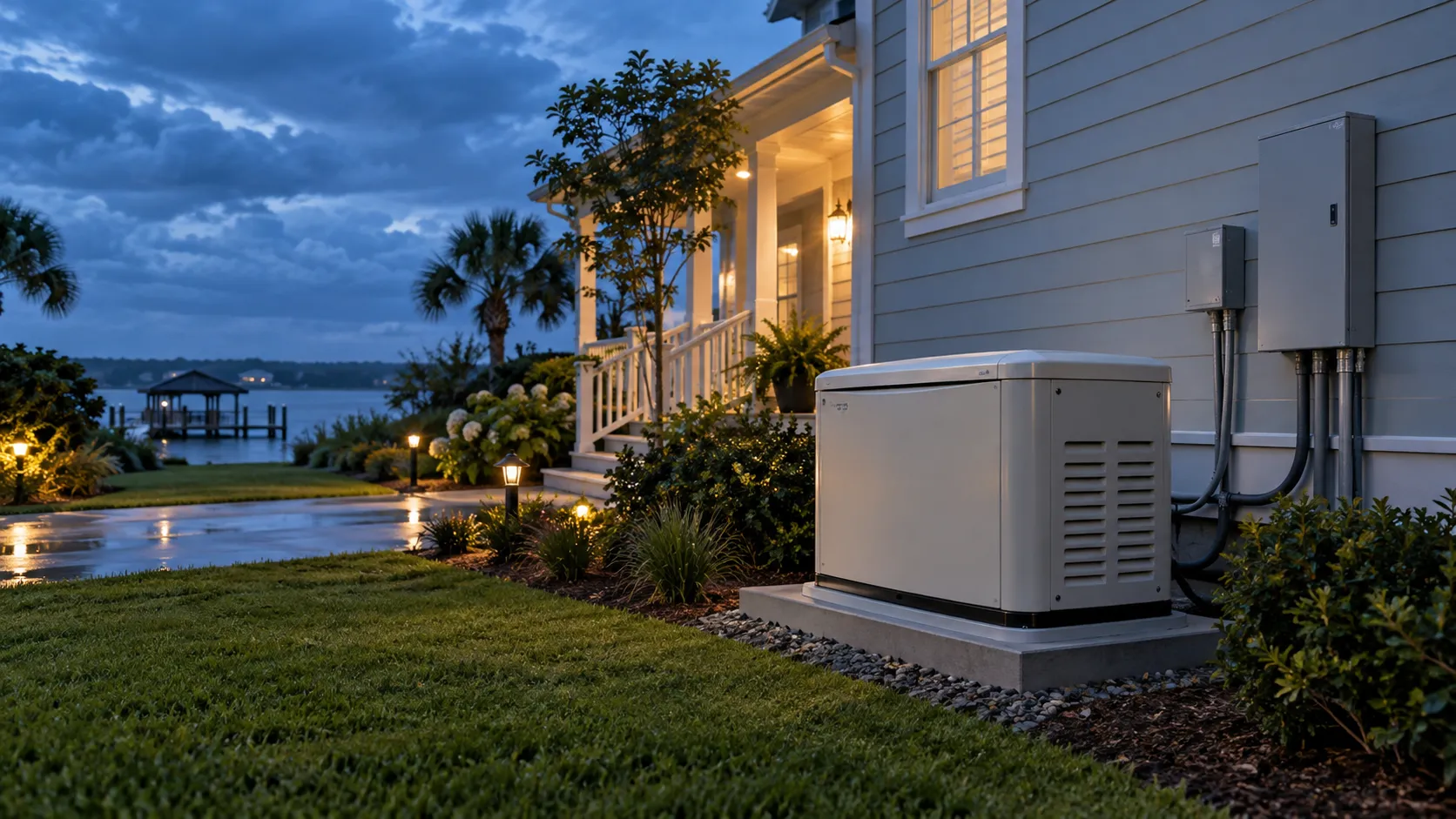
A whole house generator is a permanently installed standby system that detects a utility outage and supplies backup power through transfer equipment. The phrase “whole house” can be misleading, however. One system may be sized to support nearly every normal household load, while another is designed around selected priorities such as refrigeration, lighting, internet equipment, well pumps, medical equipment, or part of the HVAC system.
A complete installed price may include:
- The standby generator. Capacity, fuel type, enclosure, controls, warranty, and included accessories affect equipment cost.
- An automatic transfer switch. This safely changes the home’s power source from the utility to the generator and back again.
- Load management or circuit selection. Some homes need controls that prevent several large loads from starting at once. Other projects use a selected-circuit approach.
- Electrical labor and materials. Conduit, conductors, disconnects, breakers, control wiring, grounding, and bonding are part of the electrical scope.
- Fuel connection. Natural gas or propane work has to be properly sized and coordinated. Distance and available fuel capacity can change the project.
- Site preparation. The generator needs a suitable, permitted location and a stable base, with required clearances and service access.
- Permits, inspection, startup, and testing. A finished system should be inspected where required, commissioned, and tested before it is relied on during an outage.
The equipment box is only one part of the system. When comparing quotes, compare the full installed scope—not just the generator model or advertised starting price.
What Affects Generator Installation Cost In Wilmington, NC?
Generator size and the loads you want to support
Capacity should follow the home’s real power needs. A homeowner who wants to keep a refrigerator, lights, internet, and a few receptacles running has a different project from someone who expects central air conditioning, electric cooking, water heating, and other large loads to operate together.
Square footage alone does not size a generator. Two 2,000-square-foot homes can have very different electrical loads. The more reliable starting point is an inventory of the equipment you want available during an outage, along with the starting and running demands of larger motors and appliances.
Whole-home coverage versus selected circuits
A larger system designed for broad coverage generally costs more than a smaller system supporting essential circuits. Load-management controls can sometimes create a practical middle path by allowing selected large loads to operate in a controlled order.
This is an important early decision because it influences generator capacity, transfer equipment, wiring, fuel demand, and the overall installation plan.
Electrical panel and service condition
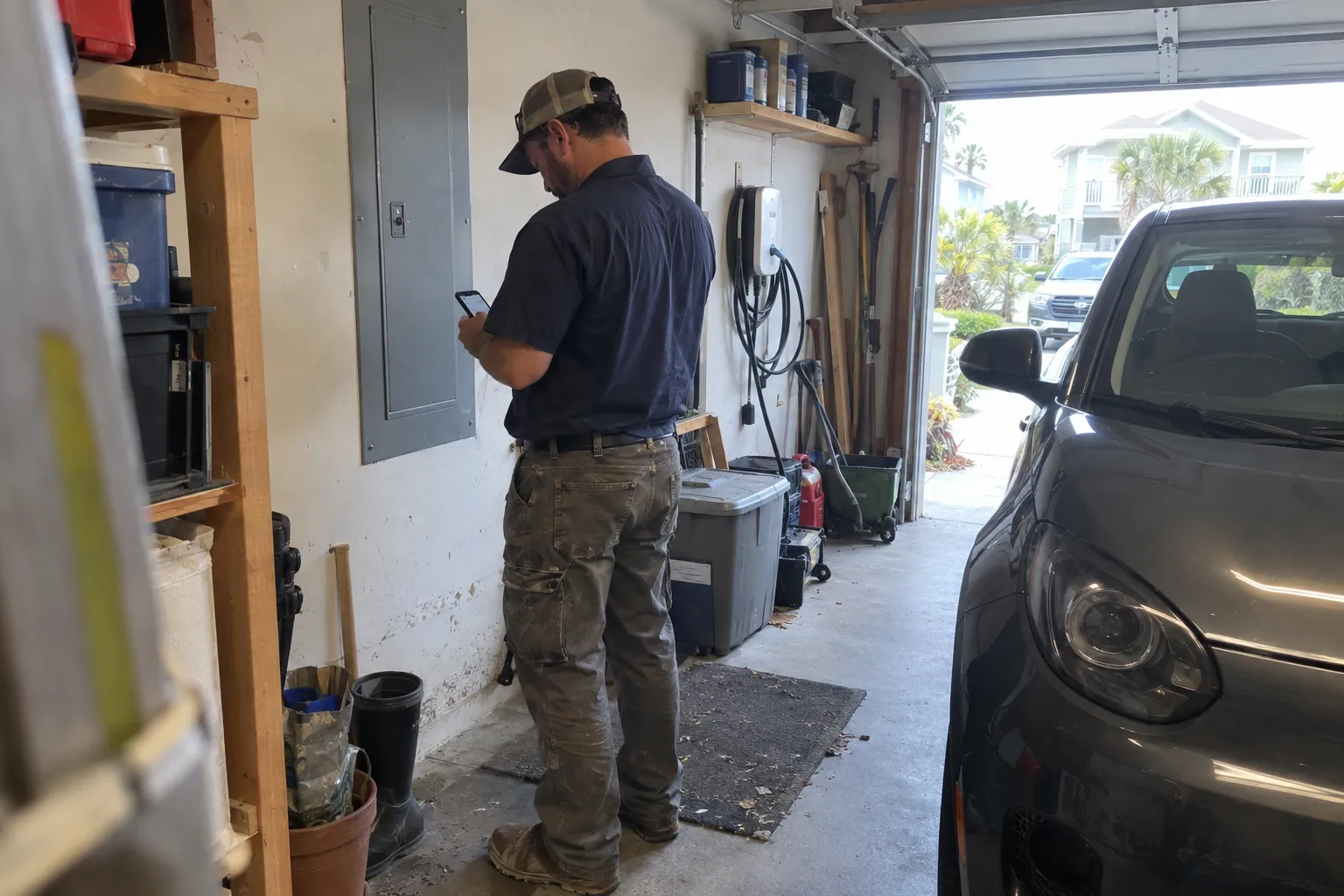
The existing panel, service size, breaker layout, grounding, bonding, and available working space can change the scope. Some homes are ready for a straightforward connection. Others have older equipment, limited capacity, previous modifications, or deficiencies that need attention before a standby system can be connected safely.
Coastal Comfort Electric documented one such project in nearby Leland, where a previously installed standby generator had wiring deficiencies and the home had an outdated electrical panel. The completed work included generator wiring corrections, transfer-equipment verification, a panel upgrade, and grounding and bonding corrections. That project is a useful reminder that two homes requesting “the same generator” may require very different electrical work.
Generator location, access, and trenching
Placement affects both safety and price. The selected location has to account for manufacturer instructions, property conditions, openings in the building, equipment clearances, service access, and local requirements. Longer routes between the generator, transfer equipment, electrical service, and fuel source can increase trenching, conduit, conductor, and labor needs.
Coastal soil, drainage, wind exposure, vegetation, and salt-air conditions can also influence how the location and materials should be planned.
Fuel type and fuel-system work
Most residential standby systems use natural gas or propane. The available fuel source, meter or tank capacity, generator demand, route length, and required coordination all matter. A generator should not be selected before confirming that the fuel system can support it under the intended operating conditions.
Permitting and project coordination
Permits, inspections, utility coordination, fuel work, equipment availability, and site preparation can affect both the generator installation cost and the schedule. A professional quote should identify who is responsible for each part so that an apparently lower proposal does not leave important work unpriced.
How Much Does A Generac Generator Cost?
People often search for Generac generator cost because Generac is a widely recognized standby-generator manufacturer. The brand name still does not produce one fixed installed price. Model capacity, transfer-switch package, load controls, fuel work, placement, panel condition, and permitting all affect the project total.
Generac’s published process helps explain why the installed price is higher than the equipment price alone: it includes site preparation, fuel connection, transfer-switch installation, and an outage simulation before completion. The manufacturer also notes that project complexity and location can change the total.
Use that range to establish a realistic planning conversation, not as a substitute for a local load review and written scope.
What Should A Standby Generator Quote Include?
Copy this checklist and keep it beside each estimate. It turns a page of technical details into eight straightforward questions you can ask every contractor.
The strongest quote is not automatically the lowest one. It is the one that clearly matches the system to the home, defines the responsibilities, and leaves fewer expensive surprises between proposal and startup.
Whole House Generator Cost FAQs
How much does a generator cost for a 2,000-square-foot house?
There is no dependable price based on square footage alone. A 2,000-square-foot home with gas appliances and selected backup circuits may need a different generator than a similar-size all-electric home expected to run central air, cooking equipment, water heating, and a well pump. Load priorities, equipment starting demands, fuel capacity, and installation conditions determine the system and price.
What is the average cost to install a whole house generator?
Generac currently lists $8,000 to $16,000 as an average installed range for its home standby systems, including the generator. Treat that as national planning context. Local generator installation cost can vary based on capacity, transfer equipment, fuel work, electrical upgrades, placement, trenching, permits, and other property-specific requirements.
How much does it cost to install a Generac generator for a 1,500-square-foot house?
The home size does not provide enough information for a responsible estimate. The contractor still needs to know which loads should operate, whether central air or other high-demand equipment is included, what fuel is available, where equipment can be placed, and whether the existing electrical service is ready for the connection.
Is a whole house generator worth it?
It can be worthwhile when outages would create meaningful safety, health, work, comfort, food-storage, sump-pump, or well-water problems. The decision depends on outage exposure, the loads that truly matter, available alternatives, maintenance expectations, and budget. A smaller selected-load system may be more sensible than maximum coverage for some households.
Does a transfer switch affect standby generator cost?
Yes. Transfer equipment is a core part of a safe standby system. The appropriate switch and any load-management controls depend on the service, generator, and coverage plan. Coastal Comfort Electric also offers generator transfer switch service for Wilmington-area homes.
Get A Clear Generator Installation Cost For Your Home
The most useful answer to “how much does a whole house generator cost?” is not a price pulled from another property. It is a written scope that connects your backup-power priorities to the home’s electrical system, fuel source, equipment location, permitting needs, and testing plan.
If you are planning a standby generator in Wilmington, Leland, New Hanover County, or a nearby Cape Fear community, start by listing the loads you want during an outage and taking safe exterior photos of the electrical service and possible generator area. Do not open electrical equipment or attempt a temporary backfeed connection. Then request a professional review so the proposed capacity and installation price reflect the property you actually own.
Coastal Comfort Electric can help you plan the generator installation, explain the electrical scope, and identify whether panel, transfer-switch, grounding, or other work should be coordinated with the project.