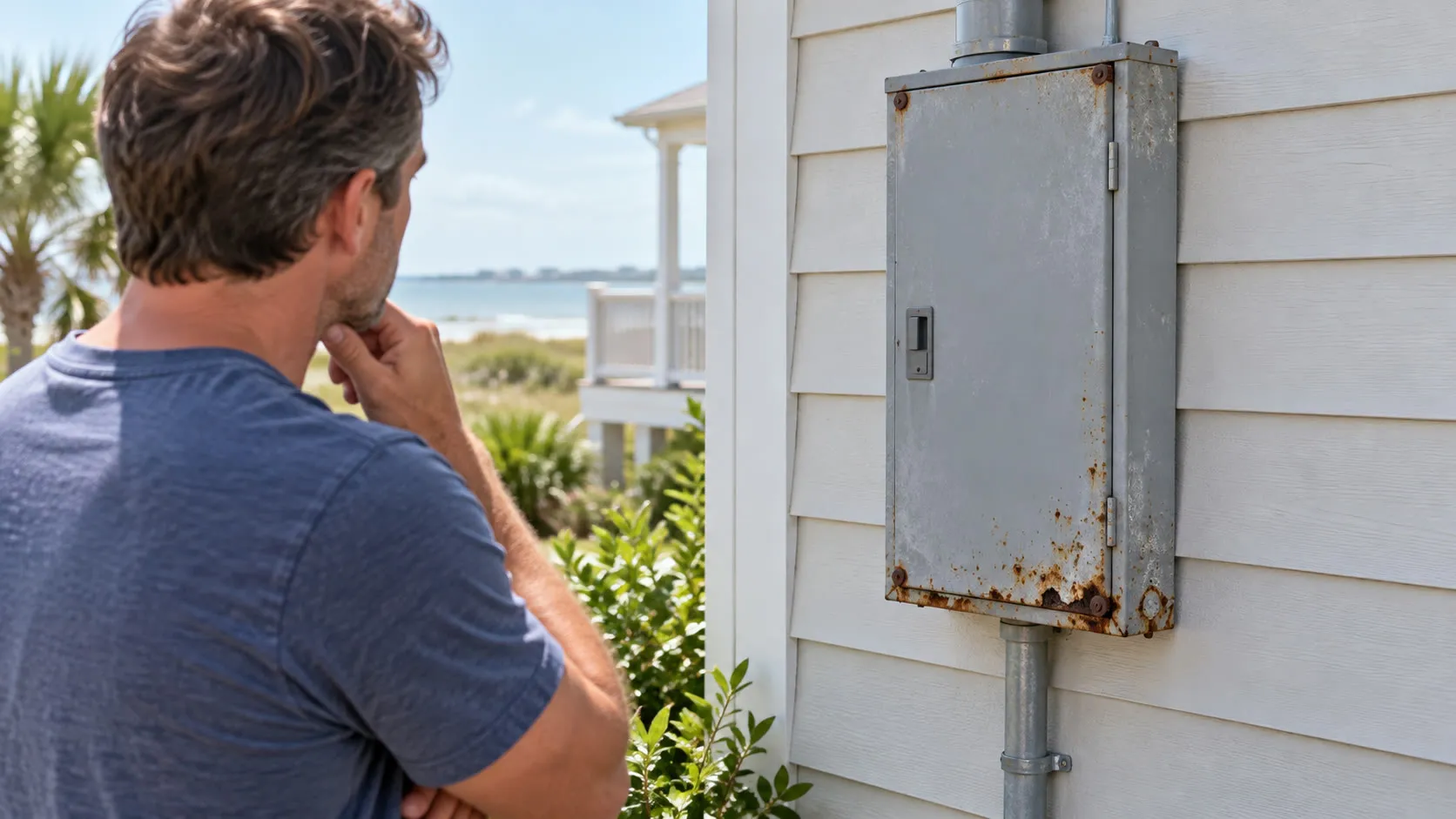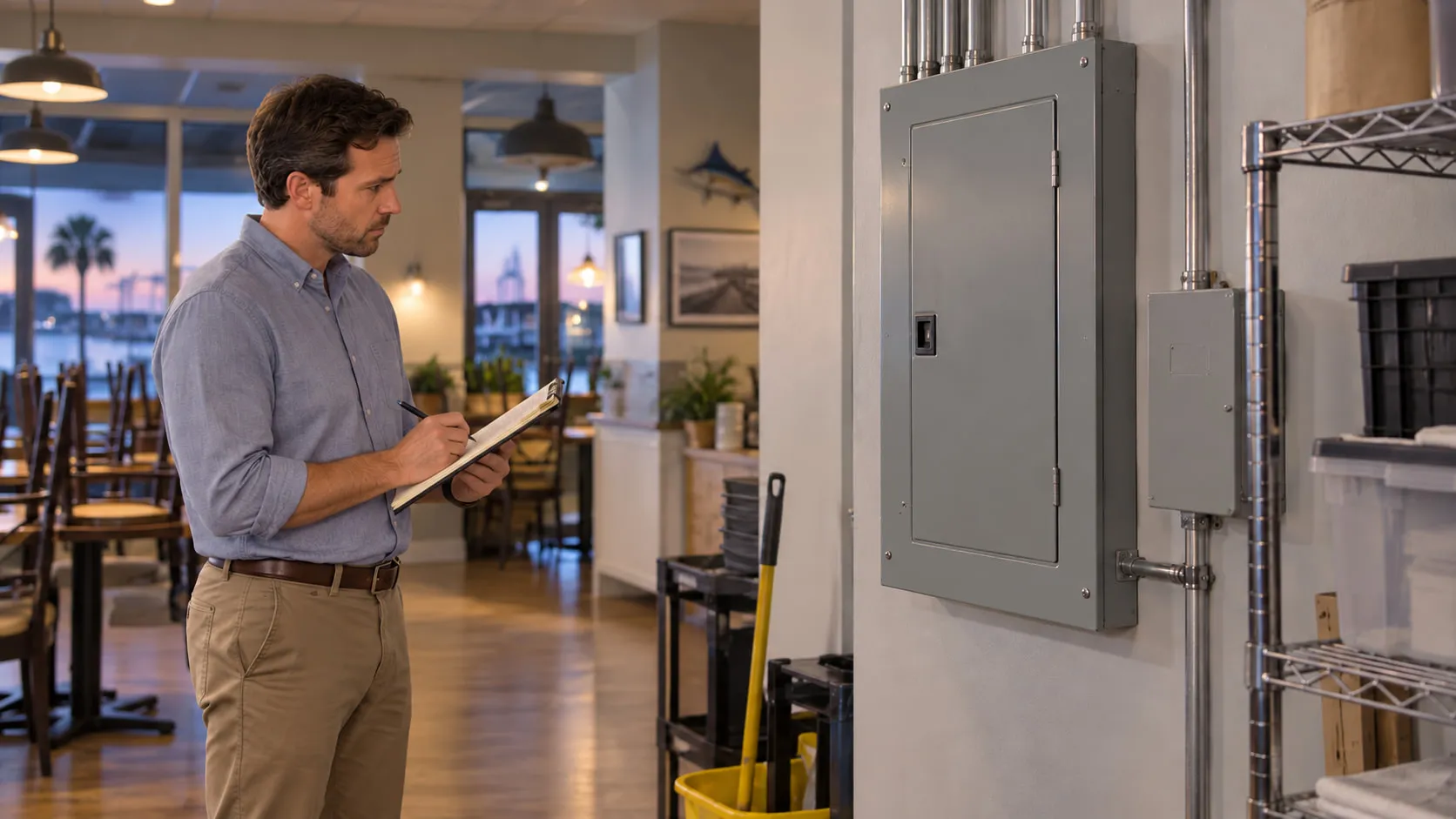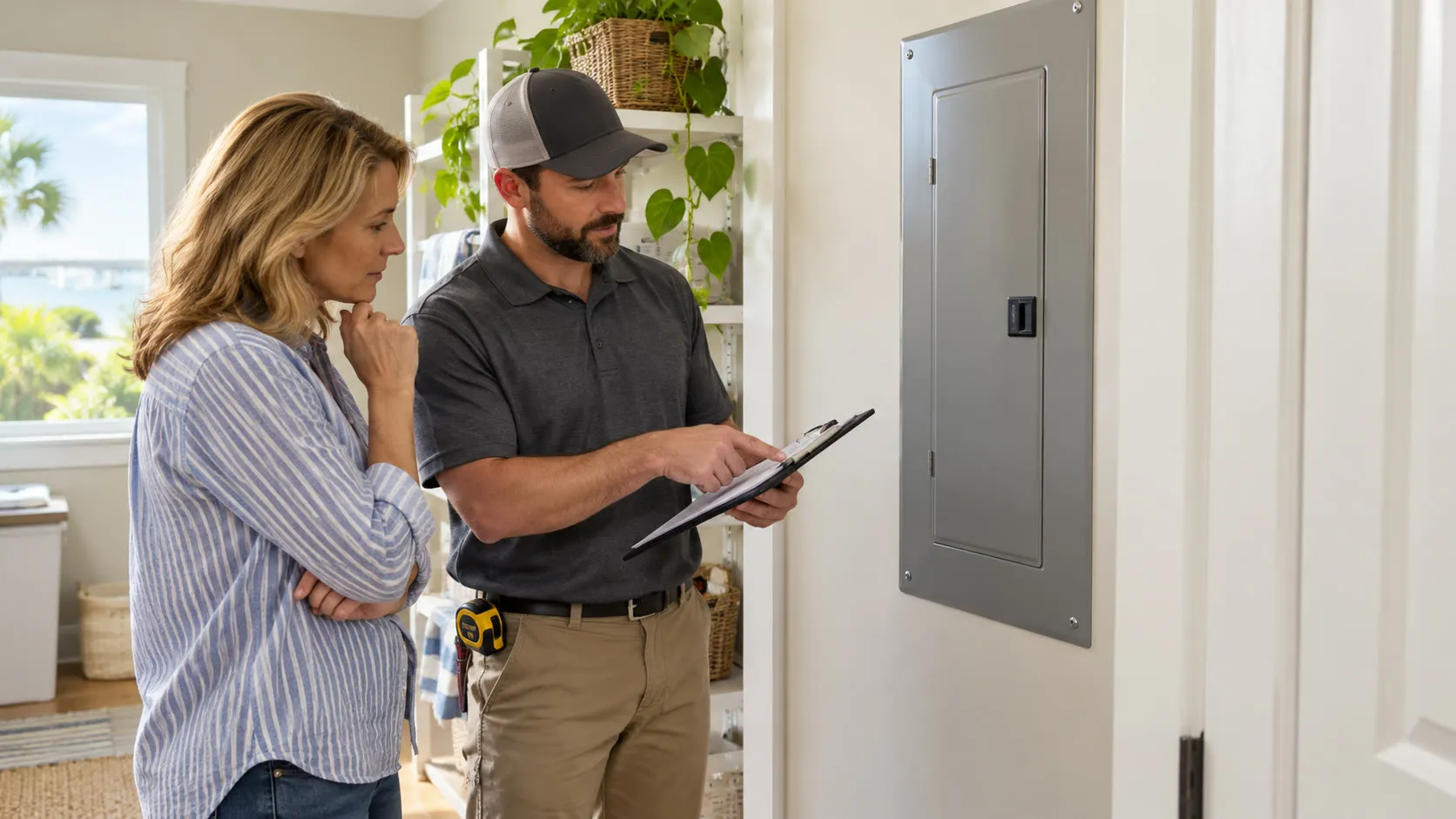

An electrical panel upgrade is one possible answer to tripping breakers, aging equipment, remodel plans, or new loads—but it is not the only answer. Coastal Comfort Electric’s electrical panel upgrade and replacement service helps Wilmington-area homeowners compare repair, replacement, distribution changes, load management, and full service work using the conditions at the property.
Two homes with the same symptom can need very different scopes. A damaged breaker may call for a compatible repair. A sound panel with limited circuit spaces may support a distribution change. A panel in poor condition may need replacement. A home adding several large loads may require a broader capacity and utility conversation.
Start With The Problem You Are Actually Solving
A useful proposal should name the reason for the work. Common starting points include:
- A breaker will not reset or trips repeatedly.
- Heat, noise, corrosion, damage, or an inspection finding involves the panel.
- The home needs circuits for a remodel, EV charger, hot tub, generator, HVAC change, or appliance.
- The panel has limited spaces or confusing past modifications.
- Replacement parts may be unavailable or incompatible.
- The service equipment no longer fits the home’s condition or planned electrical demand.
If a quote simply says “upgrade panel” without connecting the recommendation to the problem, ask for the diagnosis and scope in writing.
Option 1: Diagnose And Repair The Existing System
A direct repair may be appropriate when the panel enclosure and bus are serviceable and the problem is limited to a compatible breaker, connection, labeling issue, damaged conductor, or connected circuit.
The electrician still has to identify the cause. Replacing a breaker without checking why it tripped can leave the original fault unresolved. Any replacement component must be listed and compatible with the exact equipment—not merely the same physical size.
Questions to ask:
- What failed, and what evidence supports that diagnosis?
- Is the replacement component listed for this panel?
- Did the problem originate in the panel or on a connected circuit?
- What testing or verification follows the repair?
Option 2: Replace The Panel Without Changing Service Capacity
Panel replacement and service-capacity upgrade are not always the same project. A panel may be replaced because of damage, corrosion, obsolete equipment, poor condition, or serviceability while the utility service rating remains unchanged.
This scope may involve new panel equipment, compatible breakers, circuit identification, grounding and bonding corrections, permits, inspection, and a planned outage. Existing circuits may also reveal issues that need separate work.
Questions to ask:
- Is the service capacity staying the same?
- Which circuits and breakers are included?
- Are grounding, bonding, surge protection, labeling, and working-clearance items included?
- How will existing circuit problems be handled if they appear during the changeover?
Option 3: Add A Subpanel Or Change Distribution
A subpanel can provide additional circuit spaces or place distribution closer to a remodel, garage, addition, or workshop. It does not create new utility capacity by itself.
The electrician must consider feeder size, calculated load, overcurrent protection, grounding and neutral separation, route, access, and the condition of the existing panel. A subpanel can be a practical distribution solution when the existing service and main equipment remain suitable.
Questions to ask:
- Is the goal more circuit spaces, shorter branch-circuit routes, or added load?
- What feeder and panel rating are proposed?
- Does the existing service have capacity for the planned loads?
- Which future projects should be included now?
Option 4: Use Load Management
Load-management equipment can control when selected high-demand loads operate. It may help a home add an EV charger, generator-related equipment, or another major load without assuming everything must run at full demand simultaneously.
Load management is not a universal substitute for an upgrade. The strategy has to fit the equipment, owner priorities, calculated load, product instructions, and local approval requirements.
Questions to ask:
- Which loads will be controlled, and under what conditions?
- What will the homeowner notice during normal use?
- Is the equipment listed for the proposed application?
- Who services or reconfigures the controls later?
Option 5: Complete A Full Electrical Service Upgrade
A service upgrade can extend beyond the interior panel to the service conductors, meter equipment, disconnects, grounding and bonding, utility connection, exterior equipment, and property-specific routing.
This work commonly requires a planned outage, permit and inspection, and utility coordination. The project sequence can matter as much as the equipment selection, especially when weather, access, tenants, remote work, medical equipment, refrigeration, wells, or security systems affect the household.
The Electrical Safety Foundation International’s home electrical resources emphasize qualified assessment and properly matched equipment rather than homeowner work inside the panel.
Questions to ask:
- What service rating and calculated load support the recommendation?
- Which utility-owned or utility-controlled work is included?
- Who handles permits, inspection, and outage scheduling?
- What temporary preparations should the household make?
What The Electrician Should Evaluate
A panel recommendation may draw on:
- Equipment markings and ratings. Manufacturer, model, panel rating, breaker types, and available listed components.
- Physical condition. Corrosion, contamination, heat damage, loose or damaged parts, enclosure condition, and serviceability.
- Calculated load. Existing demand and the loads proposed for remodels, appliances, HVAC, charging, generation, or outdoor equipment.
- Circuit and breaker compatibility. Whether installed and proposed devices are listed for the equipment and application.
- Grounding and bonding. How the service and downstream distribution are configured.
- Working space and access. Whether the equipment can be safely reached and serviced.
- Outage and project sequence. How the home, utility, permit, inspection, and other trades need to coordinate.
- Future plans. The next several projects may change which option is most practical today.
Electrical Panel Quote Comparison Checklist
Repair Or Upgrade? Let The Evidence Decide
A responsible recommendation should explain why the existing panel can remain, why it needs replacement, or why the project extends to distribution or service equipment. It should also account for the homeowner’s next projects so today’s work does not create avoidable rework.
Gather your symptoms, panel labels that are safely visible, inspection notes, planned loads, and competing proposals. Then request a field-based electrical panel evaluation that turns “Do I need an upgrade?” into a defined scope you can compare.