
An outlet that suddenly stops working does not always come with a visibly tripped breaker. The cause might be the appliance, a GFCI protecting that outlet from another location, a switched receptacle, or a problem in the outlet or circuit itself. Start with checks that do not require opening electrical equipment. If the problem persists, Coastal Comfort Electric’s residential outlet repair service can help Wilmington-area homeowners find the cause instead of guessing at parts.
What Can You Safely Check First?
1. Rule out the appliance
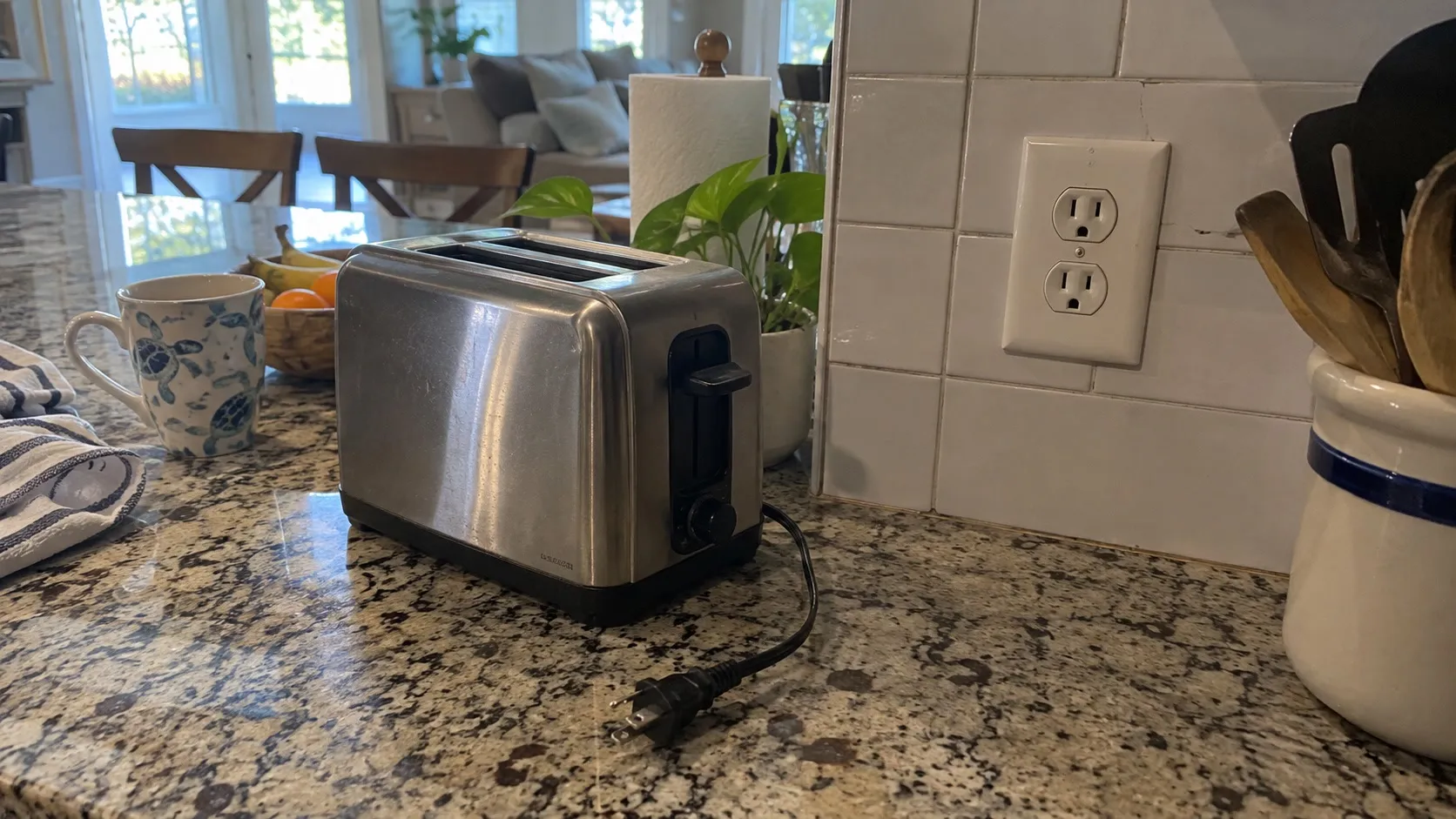
Unplug the device that stopped working. If the device and cord look undamaged, try it at another known-working outlet that is suitable for that device. You can also try a small, known-working lamp at the suspect outlet—but only if the outlet is cool, dry, undamaged, and has no unusual sound or smell. Do not keep testing a suspicious outlet.
2. Look for a nearby GFCI
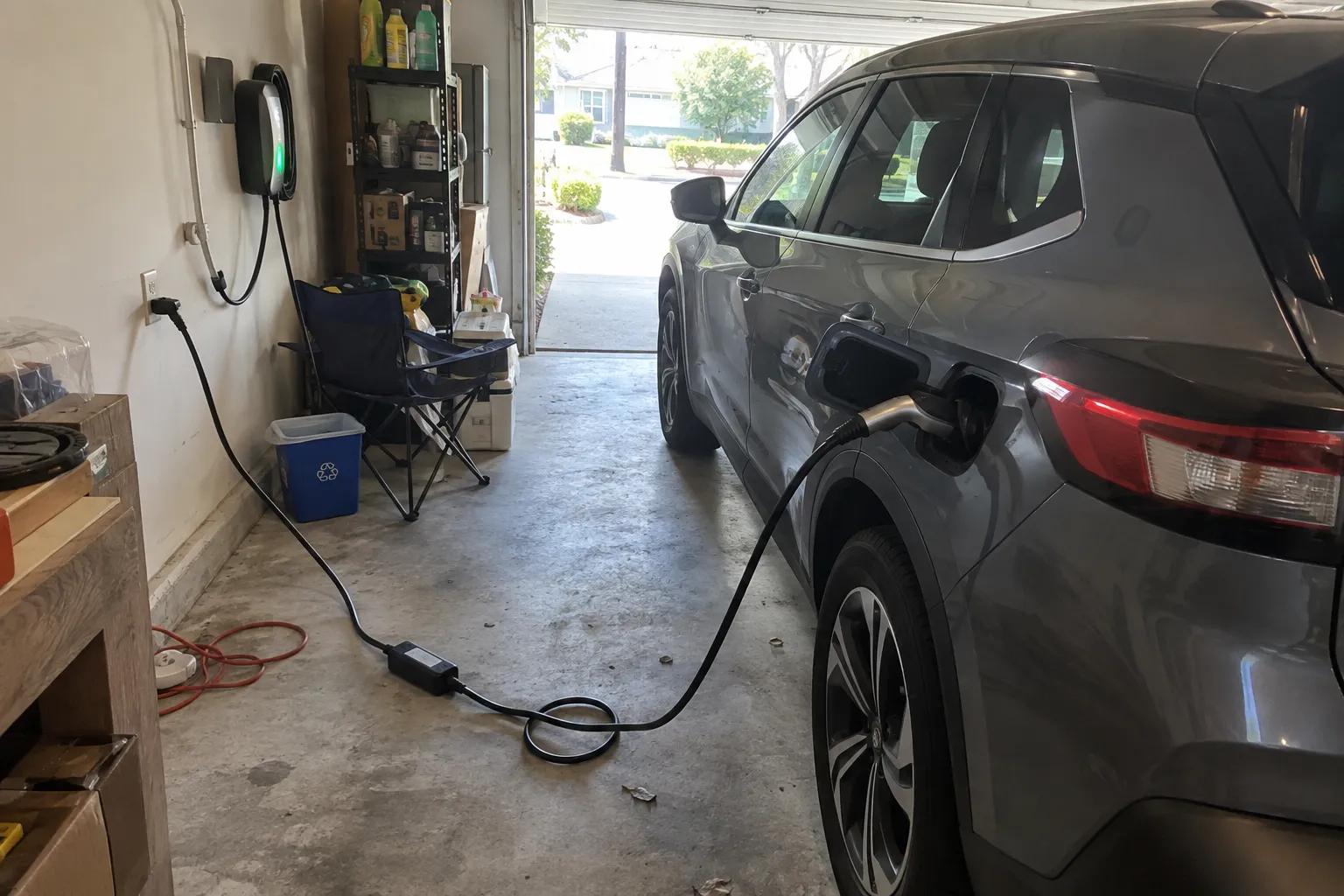
A GFCI outlet with TEST and RESET buttons can protect other outlets downstream. The reset may be in a bathroom, kitchen, garage, laundry area, or outside—not necessarily in the same room as the dead outlet. If you find a tripped GFCI and everything is dry and undamaged, a single reset is reasonable. If it will not reset, trips again, or you cannot tell why it tripped, leave it alone and call for help. The Electrical Safety Foundation International’s GFCI guidance says a device whose test or reset function does not work needs attention.
3. Check the wall switch and breaker position
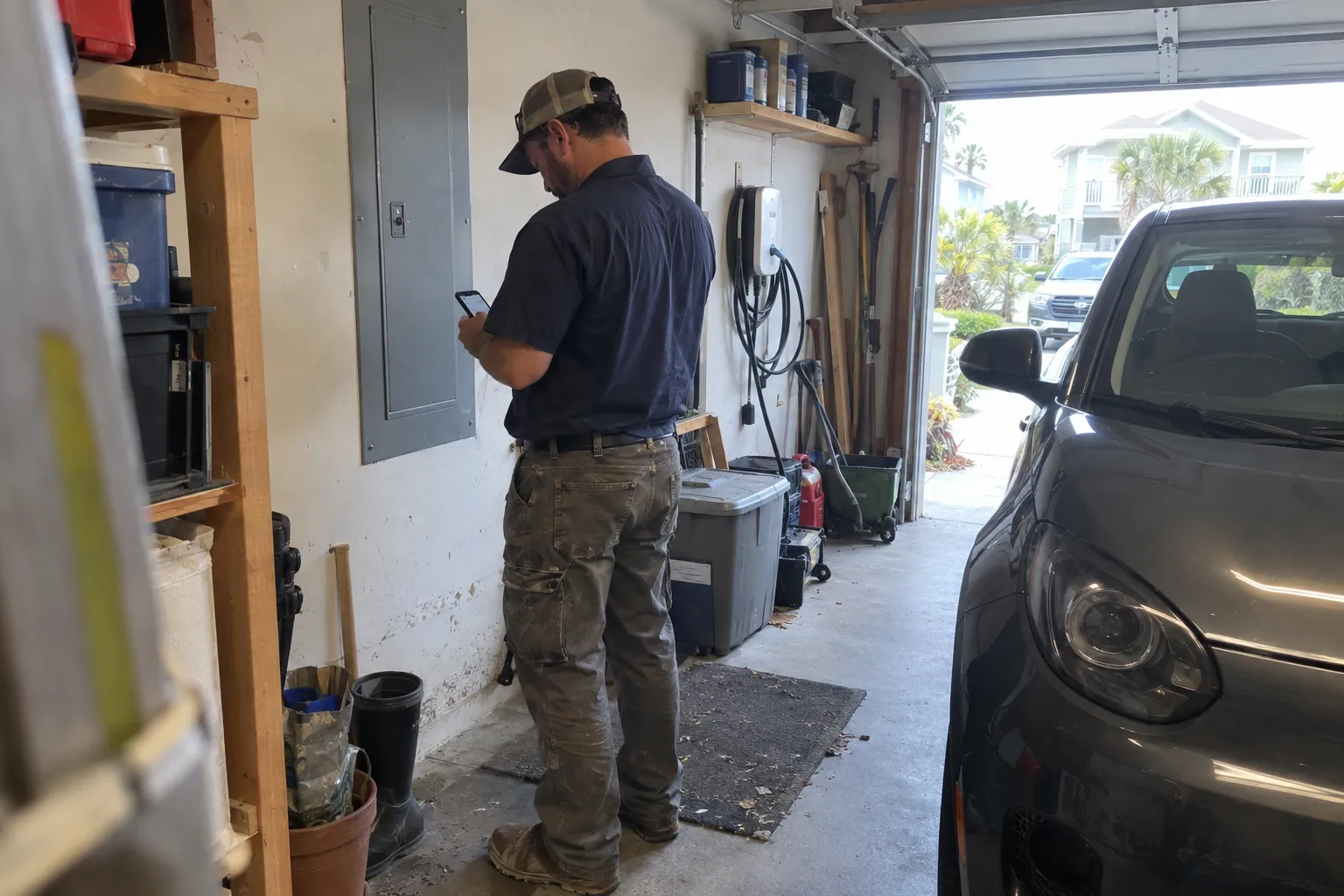
Some receptacles are controlled by a wall switch. Check any nearby switch before assuming the outlet has failed. At the panel, look at the breaker labels and positions without removing the panel cover. A tripped breaker can rest between ON and OFF, so it may be less obvious than expected. If a breaker has tripped, do not repeatedly reset it; our separate breaker-tripping guide covers that situation.
Why Would Only One Outlet Stop Working?
A failed receptacle, loose connection, damaged device, or switch can affect one outlet. A tripped GFCI or circuit issue can affect several. Neither pattern identifies the exact fault from a photo or a quick test. An electrician may need to check the outlet, protective devices, connections, and circuit before recommending a repair.
If several outlets in one part of the home are out, the problem is broader than one isolated receptacle. Write down which rooms and devices are affected so an electrician can trace the pattern.
When Should You Call An Electrician?
Call when the outlet remains dead after the simple checks, a GFCI will not reset or trips again, more than one outlet is affected, or there are signs of heat, sound, odor, moisture, or damage. The Electrical Safety Foundation International lists warm outlets, buzzing, discoloration, burning smell, and flickering lights as reasons to have a qualified electrician inspect the system.
You do not need to open an outlet or panel to gather this information. A clear description helps the electrician plan a useful visit, while the actual diagnosis stays with a qualified professional.
Common Questions
Can an outlet fail without tripping a breaker?
Yes. A breaker does not trip for every possible outlet or connection problem. An outlet can also lose power because a GFCI elsewhere tripped or a wall switch was turned off.
Should I replace the outlet myself?
If the cause is unknown, replacing the visible receptacle may not solve the problem and could miss a circuit fault. Ask an electrician to diagnose it, especially if there is heat, buzzing, damage, moisture, or multiple affected outlets.