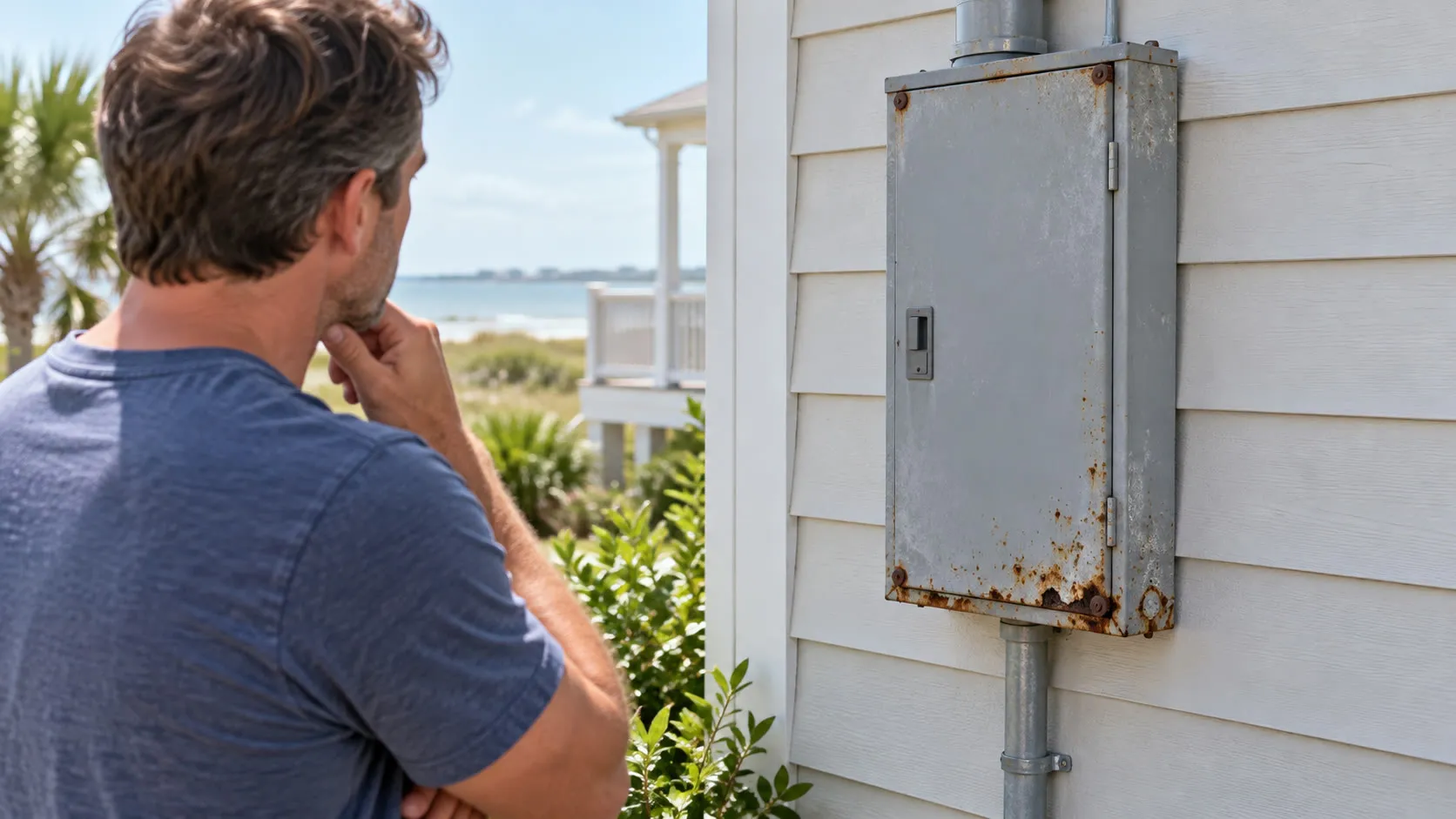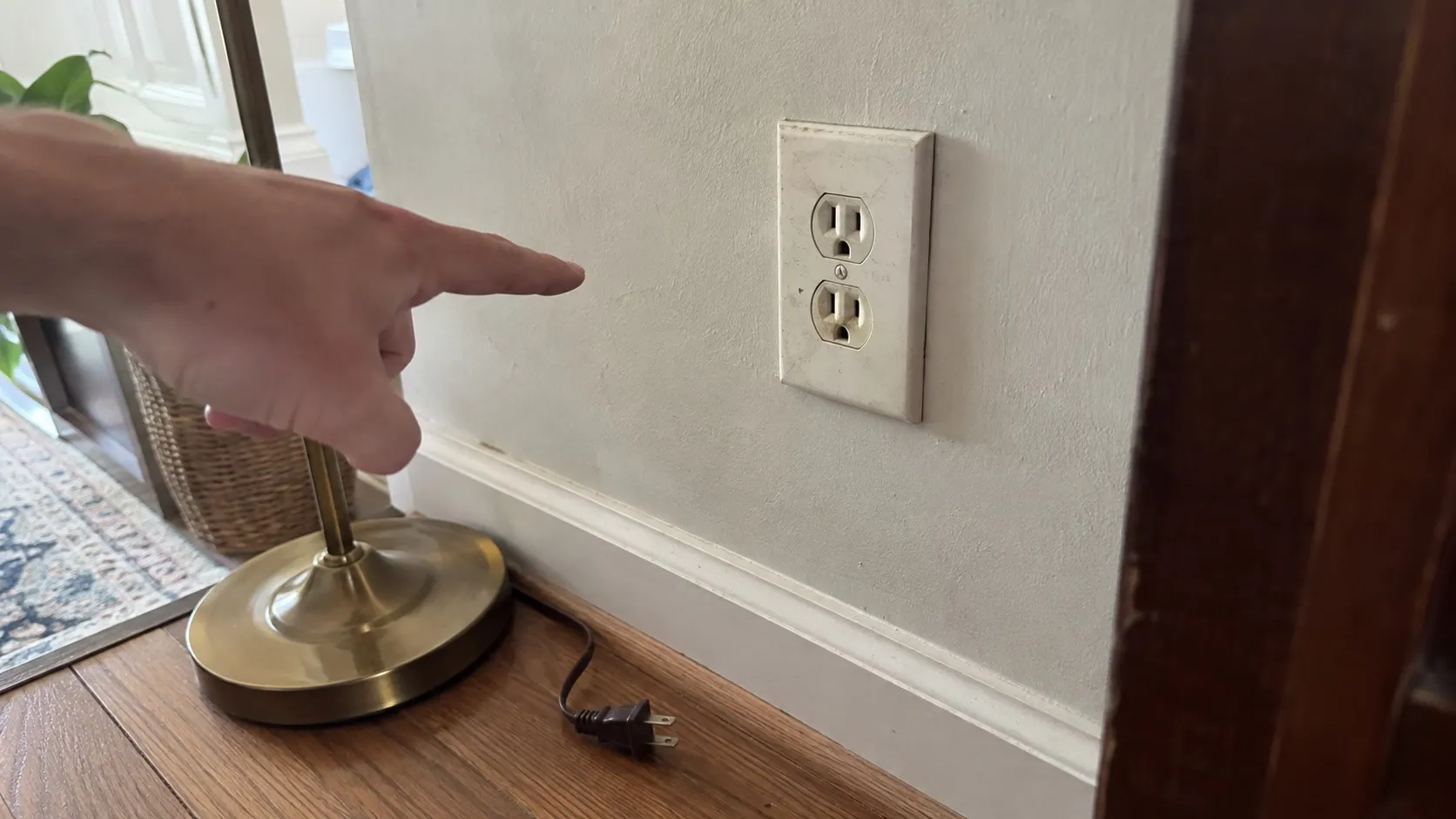

A wall outlet that feels unusually warm, buzzes, crackles, or shows discoloration is not something to “watch for a while” while you keep using it. Those symptoms can indicate a problem at the outlet, plug, connection, or circuit—and the exact cause takes an inspection. Coastal Comfort Electric’s outlet repair service helps Wilmington-area homeowners move from a concerning symptom to a clear diagnosis and repair plan.
Is It Normal For An Outlet To Feel Warm?
An outlet faceplate should not become noticeably hot during ordinary use. A warm plug or wall plate is especially concerning when paired with buzzing, discoloration, an odor, or a loose-fitting plug. The Electrical Safety Foundation International names warm switches or outlets, buzzing, discoloration, and burning smell as signs to have a qualified electrician inspect the system.
Do not try to decide the risk by repeatedly touching the outlet. The safe action is to stop using it and arrange an evaluation.
Why Might An Outlet Buzz Or Crackle?
Buzzing or crackling may come from a poor connection, damaged receptacle, an appliance plug, or another electrical fault. It is not possible to identify the cause by sound alone. The ESFI home-wiring guide includes unusual sizzles and buzzes among electrical warning signs that call for professional inspection.
The electrician may need to check the outlet, plug, wiring connections, protective device, and circuit load. The right repair could be a device replacement, a wiring repair, or something more involved; guessing from the surface appearance is not enough.
What Should You Avoid?
- Do not plug a different appliance into the outlet to “test” it.
- Do not cover the outlet, paint over discoloration, or rely on an extension cord from another receptacle as a permanent workaround.
- Do not remove the faceplate or open the electrical panel to hunt for the fault.
- Do not upsize a breaker, bypass a protective device, or continue using an outlet that repeatedly gets hot.
If you can safely identify the affected circuit from an existing label and there are no signs of smoke or fire, turning it off may be appropriate while you arrange help. If you are uncertain which breaker controls it or must approach damaged equipment, do not experiment—call for guidance.
What Should You Tell The Electrician?
Common Questions
Can a warm outlet cause a fire?
Heat at an outlet can be a sign of an electrical problem that deserves prompt inspection. No one can determine the severity from a description alone. Stop using it and have it checked.
Is a buzzing outlet different from an outlet that simply stopped working?
Yes. A dead but cool, undamaged outlet may allow a few safe checks, such as looking for a tripped GFCI. Buzzing, heat, smell, or discoloration changes the advice: stop using it and call. See our dead-outlet guide for the no-warning-sign situation.